How does a solo with 14,782 hours play official Rust?
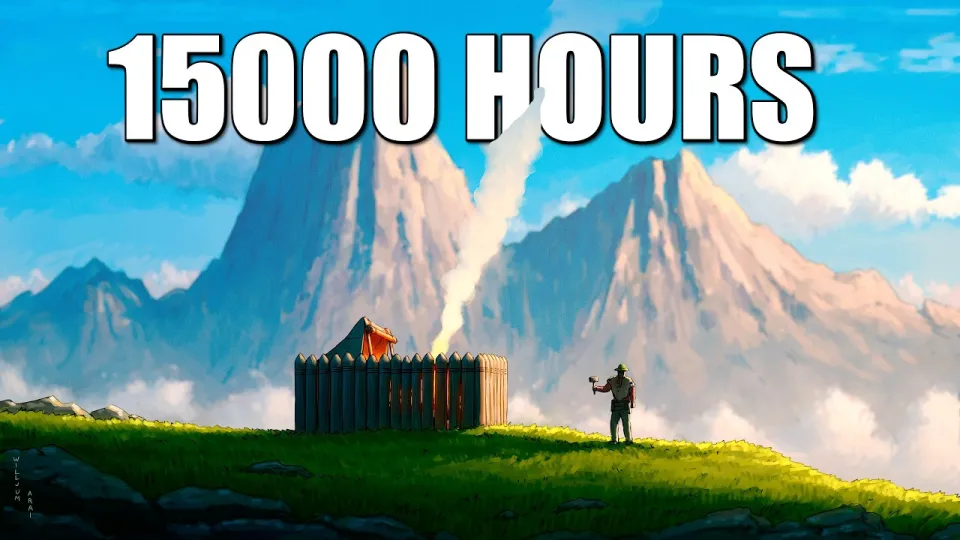
Video: How a solo with 14,782 Hours plays official rust...
Need articles like this for your video? They help promote it on YouTube and Google — order them in the Telegram bot @sat_sit_bot. It writes articles around your video, embeds the video and publishes them on popular niche websites (no ads). Your first 50 articles are free.
· based on the channel Willjum
Key takeaways
- 14,782 hours in Rust equals about 1,182 hours per year over 12.5 years.
- Willjum's solo strategy on official servers focuses on smart base placement and resource efficiency.
- He often avoids unnecessary PvP, but still crafts multiple nail guns per wipe.
- The video features a base build by Luca.Builds and is sponsored by MANSCAPED.
- Viewers question the 'peaceful farmer' persona, noting Willjum's PvP skills.
A solo player with 14,782 hours in Rust approaches official servers with a focus on efficiency, map awareness, and calculated risks. Rather than relying on raw PvP skill alone, he prioritizes smart base placement, resource management, and knowing when to avoid or engage in fights. This guide breaks down the key tactics and decisions that define a high-hour solo's gameplay on official Rust servers.
What 14,782 hours in Rust actually means
Playing 14,782 hours of Rust is equivalent to about 1,182 hours per year over 12.5 years, or roughly 3.2 hours per day every day since the game's early access launch. For context, a part-time job averages around 1,100 hours per year, so this playtime is comparable to holding a part-time job for over a decade. If you started at full release in 2018, it would mean playing about 1,850 hours per year—nearly a full-time job. This level of experience translates into deep game knowledge: spawn locations, loot tables, building costs, and player behavior patterns become second nature.
Core tactics for solo survival on official servers
Surviving alone on official Rust servers requires a different mindset from group play. Here are the core tactics a high-hour solo uses:
- Base location: Choose a spot that is low-traffic but near monuments for quick loot runs. Avoid popular roads and large clans' territories.
- Resource efficiency: Farm only what you need for the next step; over-farming attracts attention. Use furnaces and crafting benches efficiently.
- Base design: Build a compact, affordable base with multiple layers of protection. Use honeycombing and false doors to waste raiders' explosives.
- Engagement choices: Avoid fights you can't win. Use silenced weapons and ambush tactics when necessary. Know when to run.
- Scrap management: Prioritize workbenches and blueprints over weapons early on. Craft only essential gear.
How to build a solo base that lasts
A solo base on official Rust must be cost-effective and defensible. Start with a 2x2 or 2x1 footprint with an airlock. Upgrade to stone as soon as possible, then add sheet metal doors. Use honeycombing—extra walls around your core—to increase raid cost. Place your tool cupboard (TC) in a secure spot, preferably behind multiple doors. Consider a bunker design to hide loot. The base featured in the video was built by Luca.Builds, known for creative and efficient solo designs. Keep your base small and inconspicuous; a massive clan-style base screams 'raid me.'
PvP mindset: when to fight and when to flee
Despite the 'peaceful farmer' persona, a high-hour solo is often a skilled PvP player. The key is selective engagement. Fight only when you have an advantage: better position, better gear, or the element of surprise. Avoid fair fights; third parties often clean up. Use stealth and sound cues—footsteps, gunshots—to track enemies. Crafting multiple nail guns per wipe is common because they are cheap and effective early-game weapons. The video shows moments where the player jumps groups, demonstrating that confidence comes from experience. Remember: every fight you avoid is a fight you don't lose loot in.
Viewer questions and doubts about high-hour solo play
Viewers often wonder how someone can accumulate so many hours. Some joke that half the time is spent AFK with the game running. Others question the 'peaceful farmer' image, noting that the player still engages in PvP frequently. A common doubt is whether such playtime is achievable without treating Rust like a job. The answer: it's cumulative over many years, and not all hours are active gameplay. Another question is how to deal with bears—even experienced players get snuck up on. The takeaway is that high hours don't make you invincible; they make you more efficient at decision-making.
Useful links from the video
- MANSCAPED offer: 15% off + free shipping with code WILLJUM15
- Willjum's Patreon
- Willjum's Twitch
- Willjum's Twitter
- Creative Commons Attribution 4.0 License
Final thoughts on mastering solo Rust
A solo player with 14,782 hours succeeds by combining game knowledge with disciplined decision-making. Efficiency in farming, base design, and engagement choices outweighs raw mechanical skill. The video by Willjum offers a window into this mindset, showing that even after thousands of hours, Rust remains unpredictable—bears still attack from behind. For those looking to improve, focus on learning from each wipe and adapting your strategy. And if you want to support the channel, check out the MANSCAPED offer for 15% off and free shipping with code WILLJUM15.
Source: How a solo with 14,782 Hours plays official rust... · Markdown version
Questions & answers
How is 14,782 hours in Rust even possible?
It averages out to about 1,182 hours per year over 12.5 years, or roughly 3.2 hours per day. That's comparable to a part-time job, and many players accumulate hours over years of consistent play, including idle time.
Do high-hour solo players actually avoid PvP?
Not necessarily. While they may prefer smart engagements, experienced solos often take fights when they have an advantage. The 'peaceful farmer' image is partly a persona; many high-hour players are skilled at PvP and will defend themselves aggressively.
What is the best base design for a solo on official Rust?
A compact, affordable base with honeycombing and a bunker is ideal. Keep it small to avoid attention, upgrade to stone quickly, and use multiple doors. Designs by builders like Luca.Builds focus on cost-effective raid protection.
How do you deal with bears and other wildlife in Rust?
Always be aware of your surroundings; bears can sneak up even on experienced players. Listen for sound cues and keep a weapon ready. High hours don't make you immune—wildlife remains a threat.